Colombia’s culture is a vibrant blend of Indigenous, African, and Spanish influences, reflected
in its traditions, clothing, music, dance, cuisine, and festivals. Each region has its own
unique cultural identity shaped by history and geography.
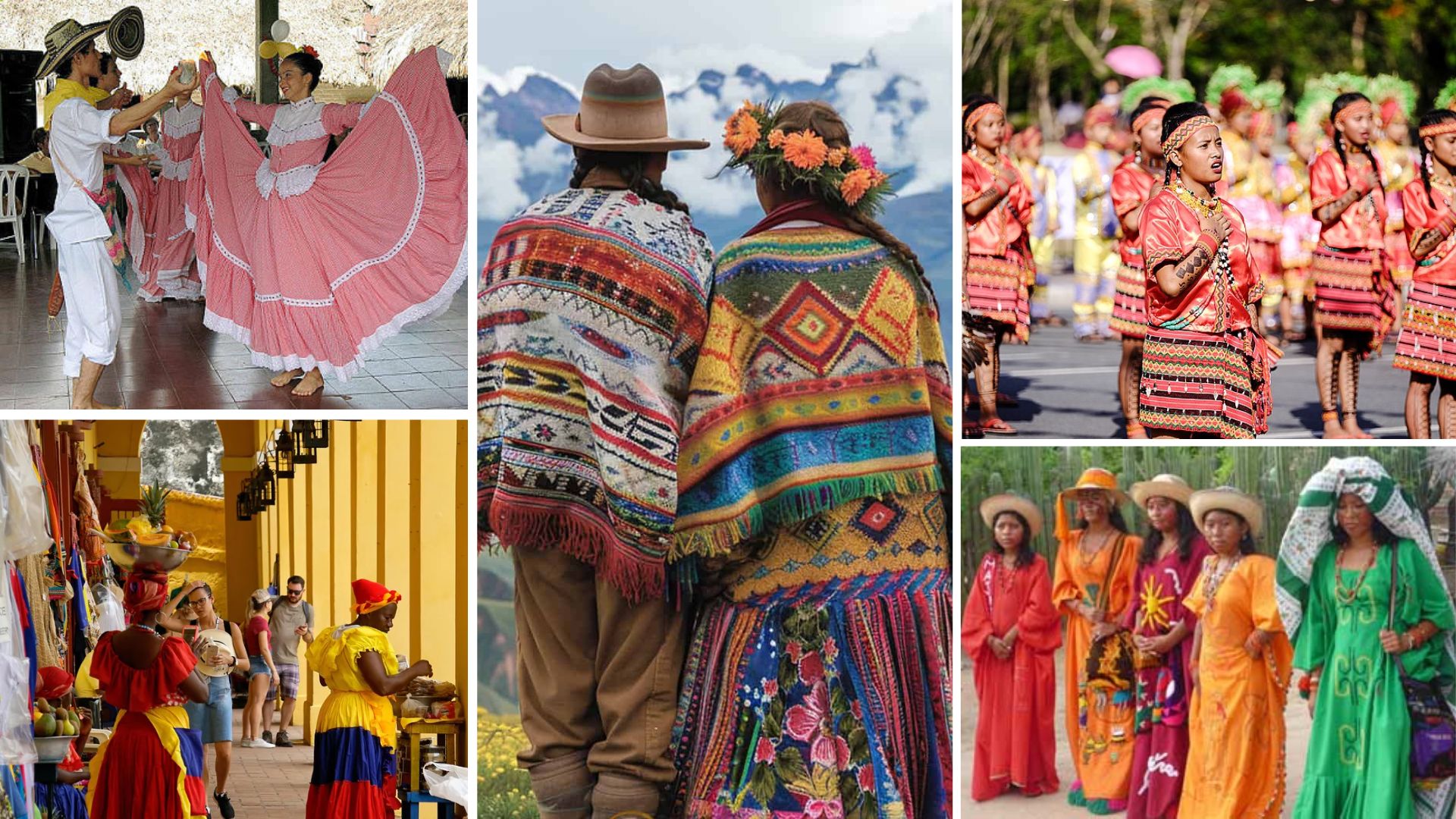
Traditional clothing varies across the country. In coastal regions, people wear light, colorful
clothing suited to the tropical climate. The Andean highlands feature ruanas (wool ponchos),
while the Llanos (plains) region is known for its llanero attire, including wide-brimmed hats
and leather boots. Women in some areas wear polleras (flowing skirts) during festivals.
Colombian music is diverse, with genres like cumbia, vallenato, and bambuco being the most
popular. These styles incorporate Indigenous, African, and European rhythms. The Barranquilla
Carnival is one of the largest cultural festivals, showcasing traditional music, dance, and
colorful costumes.
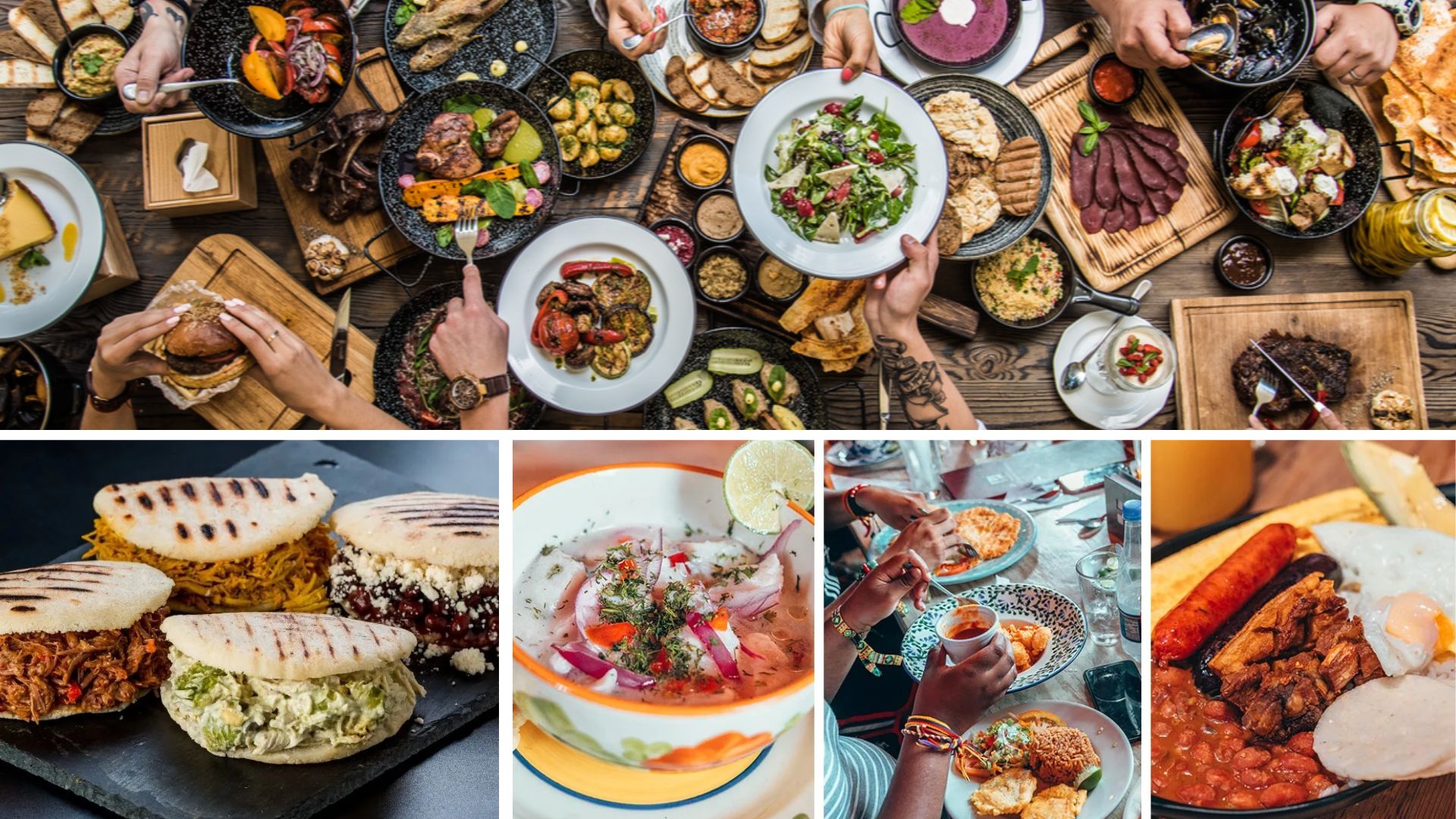
Colombian cuisine includes dishes like arepas, bandeja paisa, and ajiaco, which highlight
regional flavors. The country is also famous for its coffee, considered among the best in the
world.
Art, literature, and film continue to grow, with authors like Gabriel García Márquez influencing
global literature. Overall, Colombia’s rich culture is a testament to its diverse heritage and
artistic creativity.
Colombia Clothing
Colombia’s clothing varies by region, climate, and cultural traditions. In urban areas, people
wear modern, Western-style clothing, with jeans, t-shirts, and dresses being common. Due to the
tropical and Andean climates, fabrics are often light and breathable.
Traditional attire remains significant, especially during festivals. In the Andean region,
people wear ruanas (wool ponchos) for warmth. The Llanos region features llanero outfits,
including wide-brimmed hats and leather boots. Women in some areas wear polleras, colorful
flowing skirts, during celebrations. Indigenous communities in the Amazon still wear garments
made from natural fibers, decorated with beads and feathers. Colombian fashion blends heritage
with modern trends, reflecting the country's diverse culture.
Colombia Food
Colombian cuisine is diverse, reflecting the country’s rich cultural heritage and regional ingredients. Staples include corn, rice, plantains, and a variety of meats. *Arepas*, a type of corn cake, are eaten across the country, often paired with cheese, eggs, or meat. *Bandeja paisa*, a hearty dish from Antioquia, includes rice, beans, ground beef, chorizo, fried egg, and plantains. *Ajiaco*, a chicken and potato soup, is a Bogotá specialty. The coastal regions feature seafood dishes like *ceviche*. Colombia is also famous for its coffee, known for its rich flavor. Desserts like *buñuelos* and *tres leches cake* are popular sweet treats, enjoyed during festivals and celebrations.
Colombia Arts and Crafts
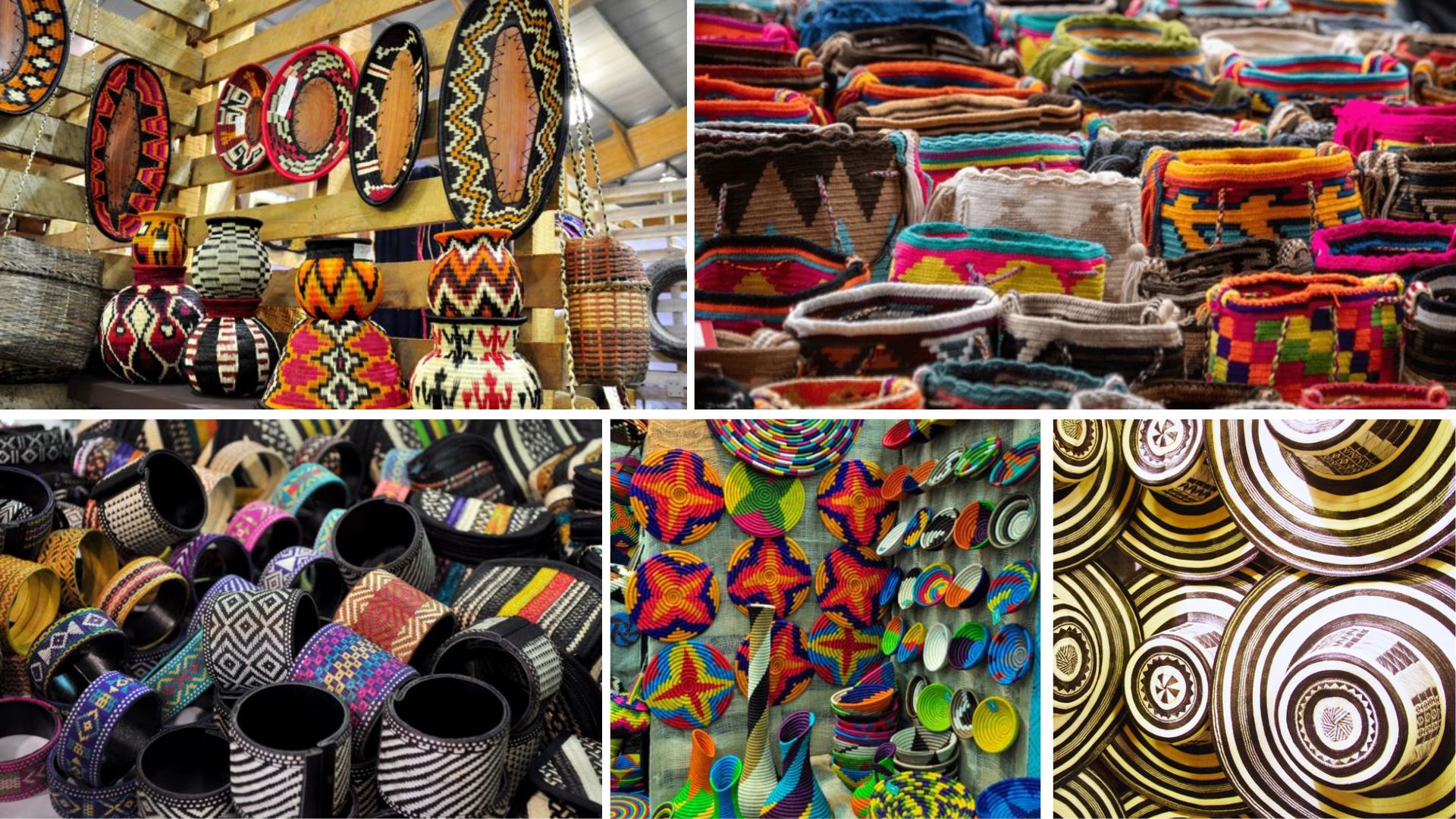
Colombian art is a reflection of the country’s diverse cultural heritage, blending Indigenous,
African, and Spanish influences. Pre-Columbian art, seen in gold artifacts and pottery,
showcases the craftsmanship of ancient civilizations. Colonial-era art was heavily influenced by
Spanish religious themes, with elaborate paintings and sculptures.
Modern Colombian art is renowned worldwide, with artists like Fernando Botero, famous for his
exaggerated, voluminous figures. Street art is also a vibrant part of urban culture, especially
in Bogotá, where murals depict social and political themes. Colombian art continues to evolve,
embracing contemporary styles while honoring its rich traditions, making it a dynamic expression
of the nation's identity.
Colombia Film Industry
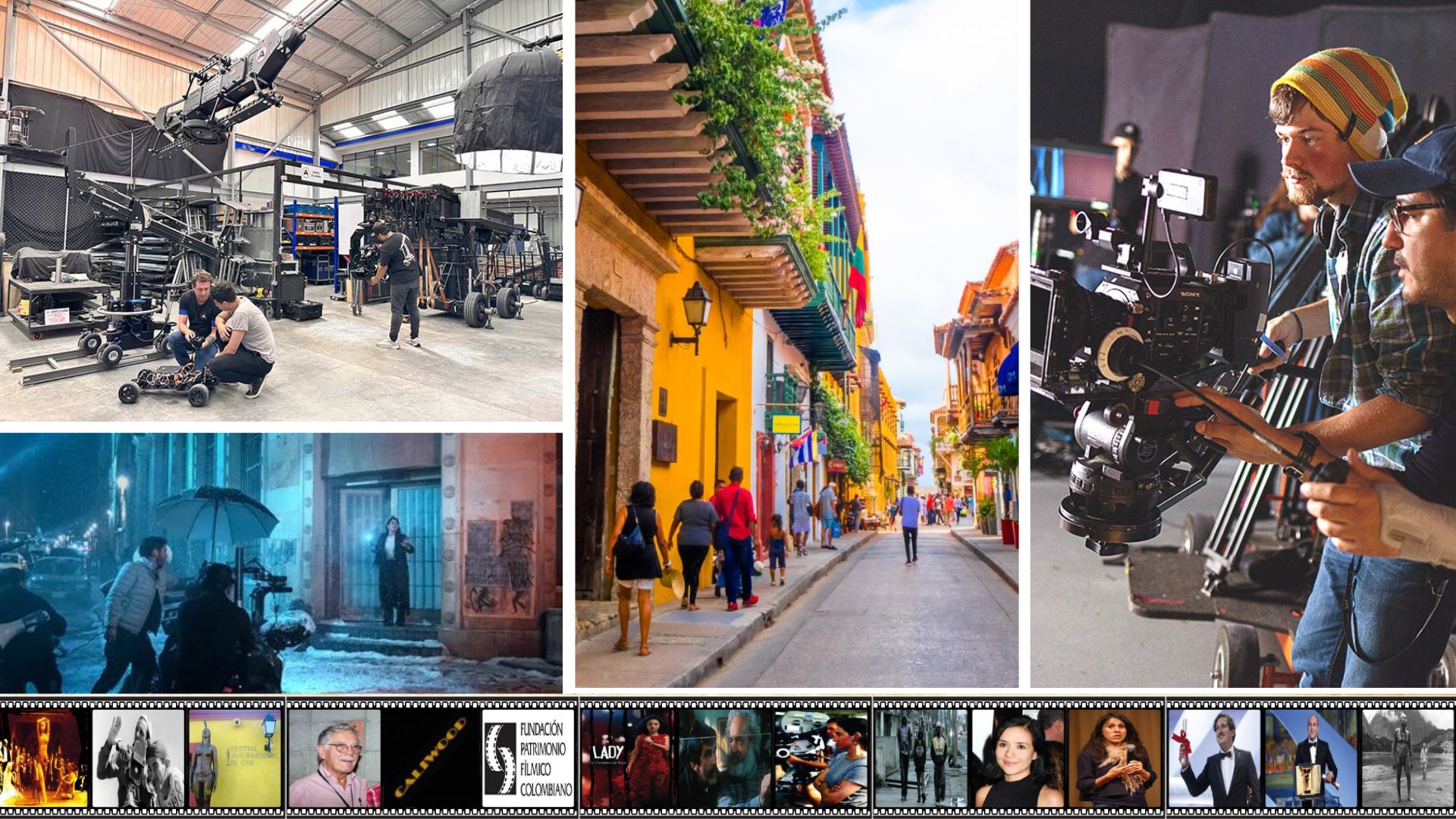
Colombia’s film industry has grown significantly in recent years, gaining international
recognition for its unique storytelling and diverse themes. Historically, Colombian cinema
struggled due to limited funding and political instability. However, government initiatives,
such as the 2003 Film Law, have encouraged local productions and foreign investments.
Colombian films often explore themes of social issues, history, and culture. Notable films
include *Embrace of the Serpent* and *Monos*, which received global acclaim. The Cartagena Film
Festival, one of Latin America’s oldest film festivals, showcases emerging talent. With a mix of
independent and commercial productions, Colombia’s cinema continues to evolve, reflecting the
country’s rich heritage and creative spirit.

Colombia Economy
Colombia has a diverse and growing economy, driven by agriculture, industry, and services. It is one of the world’s top coffee and flower exporters, along with significant production of bananas, sugar, and palm oil. The country also has rich natural resources, including coal, oil, and gold, which contribute to its exports. The manufacturing sector produces textiles, chemicals, and automobiles. Services, including finance and tourism, play an increasing role in economic growth. Despite challenges like income inequality and inflation, Colombia has made progress in infrastructure and investment. As a member of international trade agreements, the country continues to attract foreign investment and expand its global economic influence.